
Worktops
Three materials. One of them is right for your kitchen.
181 surfaces across quartz, granite and sintered stone. Here is how they genuinely differ on heat, staining, sealing, edges and price.
Choosing
None of the three is best at everything
Anyone who tells you one material wins outright is selling the one they have most of. Each of these gives something up, and the right choice depends on which compromise you can live with.
The useful way to decide is not to ask which is best. It is to ask two questions about your kitchen and let the answers rule things out. Will you actually maintain it? And how hard is the room used? A couple who cook at weekends and a family of five with teenagers are not buying the same thing.
Once two of those are answered, there is usually only one sensible material left, and the rest of the decision is colour. That is the part that should take the time.
Start here
The questions that settle it
- How much upkeep do you want?
- Quartz and sintered stone never need sealing. Granite does, periodically, for the life of the worktop.
- Will you re-seal it?
- Granite needs sealing topped up over its life. Quartz and sintered stone never do. Be honest with yourself here.
- How hard is the kitchen used?
- Heavy use with hot pans landing anywhere points at granite or sintered. Quartz wants a trivet and a chopping board.
Still stuck? Send us the kitchen and we will tell you which of the three we would fit in it, and why. It costs nothing and we are not paid more for one over another.
The three materials
Quartz, granite and sintered stone
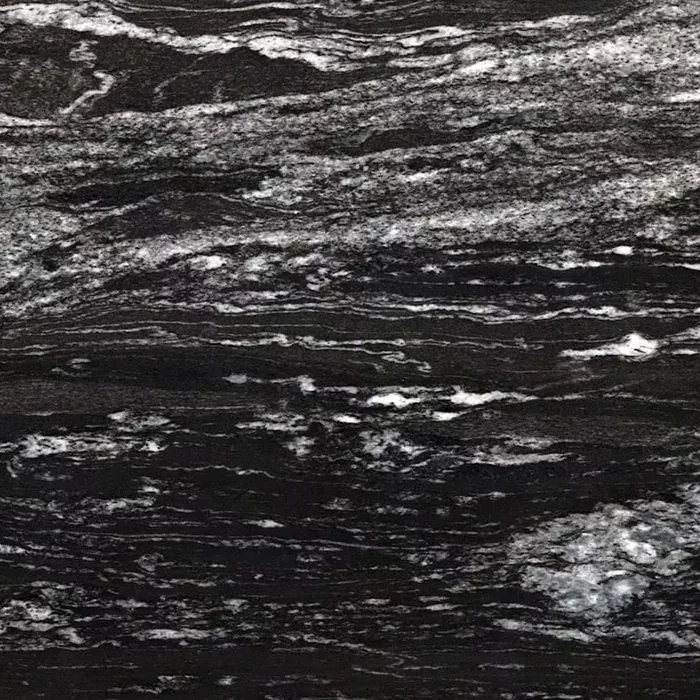
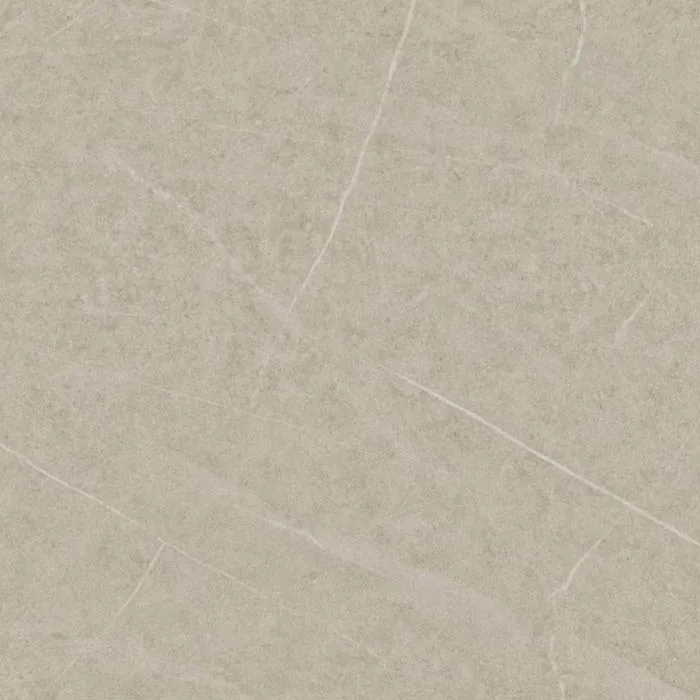
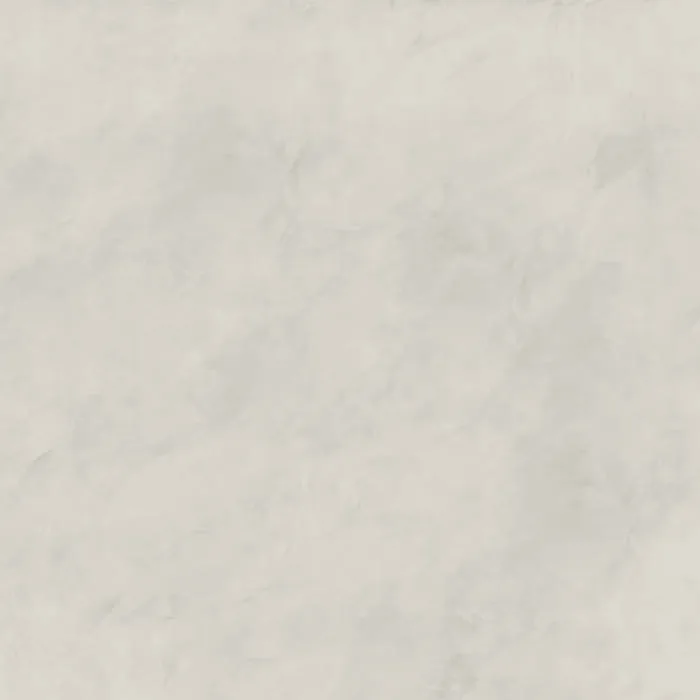
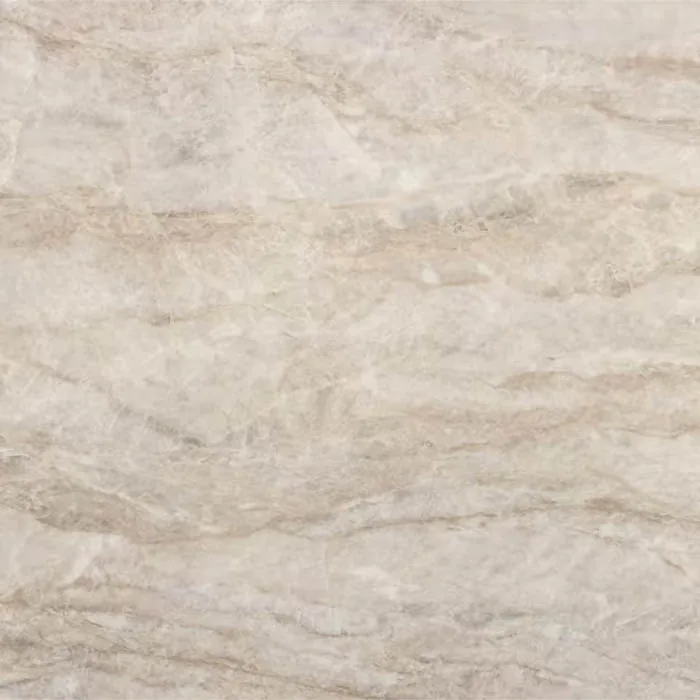
181 surfaces in total. Every one of them is a slab we can template, cut and fit ourselves.
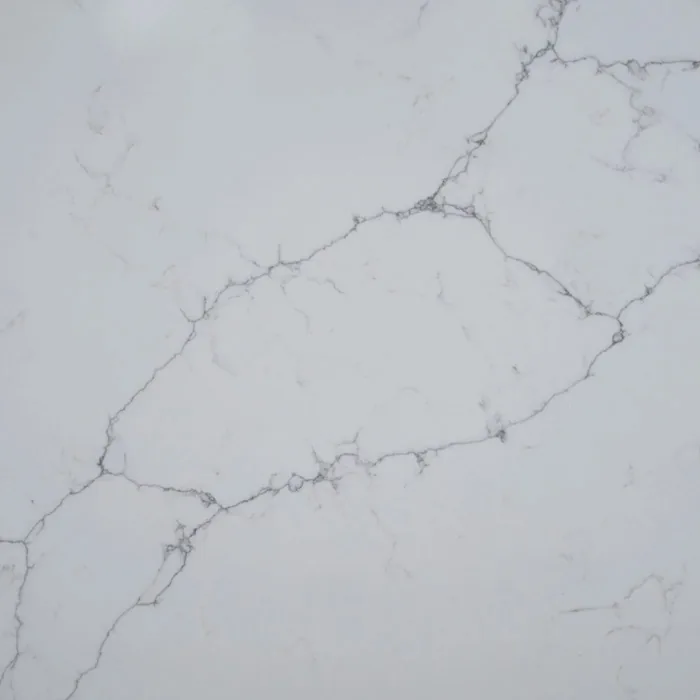
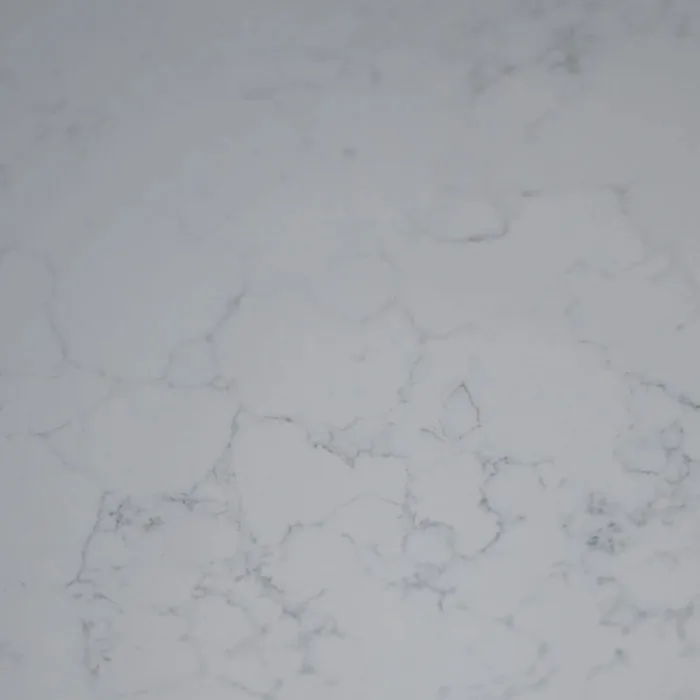


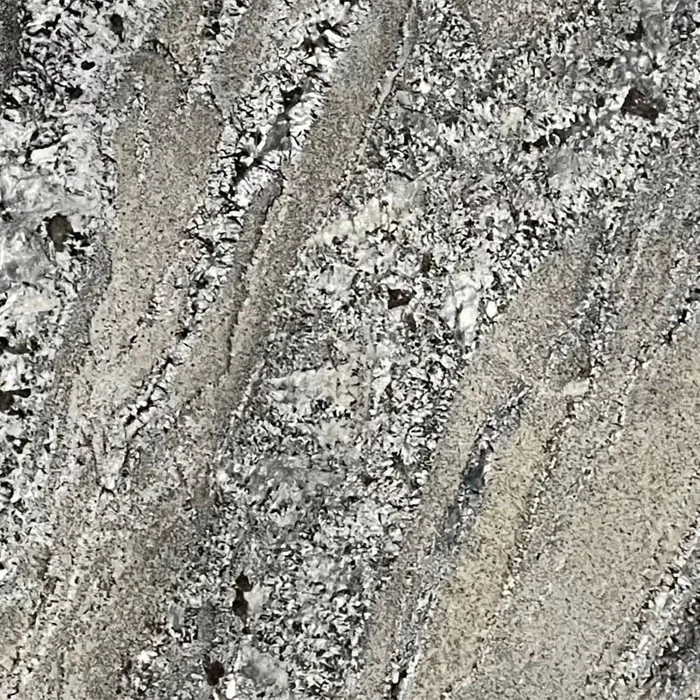
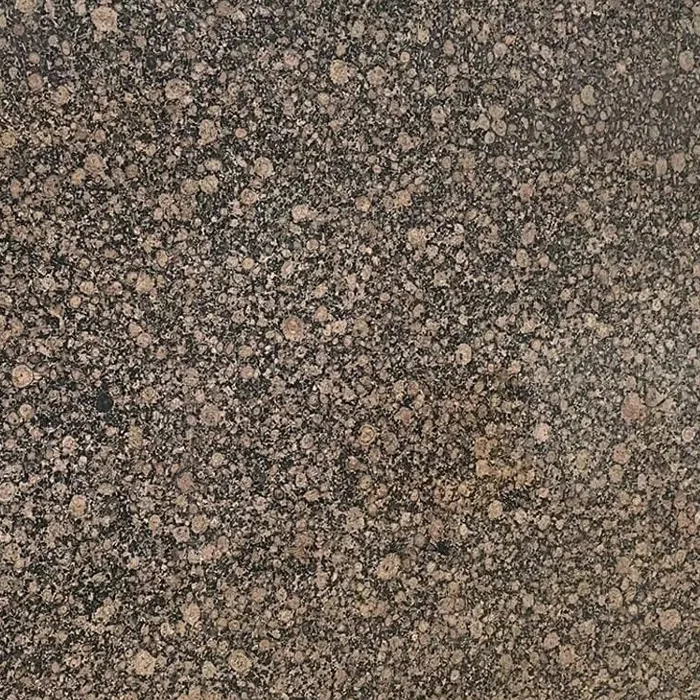


Side by side
The comparison nobody puts on a showroom wall
Including the parts that lose sales. Price bands are supply only and come straight from our current catalogue.
Scroll the table sideways to compare
| Quartz | Granite | Dekton & sintered | |
|---|---|---|---|
| What it actually is | Engineered stone, mostly ground quartz held in a resin binder | Natural rock, quarried and polished. No binder, no pigment | Sintered mineral powder, compacted under extreme pressure and heat |
| Heat off the hob | Use a trivet and it is a non-issue, the same as any resin-bound surface | Excellent. A hot pan will not mark it | Excellent. Nothing in it can scorch |
| Scratching | Hard enough for daily use. A board keeps the polish looking new | Hard. Most kitchen knives will not touch it | Hardest of the three, and the most forgiving day to day |
| Staining | Non-porous. Wine, oil and turmeric wipe off | Porous to varying degrees. Oil and wine will mark unsealed stone | Effectively zero porosity. Nothing soaks in |
| Sealing | None, ever | Sealed on installation, then topped up periodically | None, ever |
| Chipping | The easiest of the three to repair invisibly if a corner takes a knock | Chips at corners if hit hard. Repairable | The one real weakness: thin edges and unsupported overhangs are vulnerable |
| Colour consistency | Predictable. What you see in the sample is what arrives | Every slab differs. The sample shows the stone, not your slab | Predictable, with large-format patterns that can be book-matched |
| Supply price band | From £130/m², most between £150 and £280 | From £121/m², most between £148 and £250 | From £110/m², most between £250 and £300 |
Supply price is the slab only. Fabrication, edge profiles, cut-outs, delivery and installation are quoted on top and itemised, so you can see what each decision costs before you make it.
Thickness & edges
Thickness is a look, not a strength rating
A thicker worktop is not a stronger one. What holds a run of stone together is the substrate under it and where the joins fall, both of which are our problem, not yours.
Most kitchens are choosing between a slim profile and a chunkier one, and either can be achieved from the same slab. A mitred edge takes the slab, cuts the edge at 45 degrees and folds it down, so a thin worktop reads as a deep one with the pattern running unbroken around the corner. It costs more because it is more work, and on a heavily veined slab it is the only way to stop the pattern stopping dead at the edge.
We do not publish a thickness list here, because what is stocked varies by colour and changes over time. When you pick a colour we confirm the thicknesses available in that specific slab, in writing, before you commit to anything.
Joins
Where a run is longer than a slab, there is a join. We place it where it is least visible rather than where it is quickest to cut, and a finished join is typically 2–3mm.
Cut-outs
Hobs, sinks, taps and sockets are all cut in the workshop from your template, then dry-fitted before delivery. Every one of them is itemised on your quote.
Upstands & splashbacks
Cut from the same batch as the worktop so the colour matches under your lights. Different batches of the same colour do not always agree.
Samples
A screen cannot show you a stone. Samples are free, they arrive by post, and looking at one in your own kitchen at night is worth more than any photograph.
Where to next
Narrow it down
Next step
Tell us the kitchen, and we will tell you the material
Plans, a sketch or photos with rough measurements is enough. You get an indicative range back the same day, then a fixed written quote once we have templated.
Fitted 3–7 working days from template, backed by a 25-year material warranty and a 5-year workmanship guarantee.
Prefer to talk it through? +44 7830 847489