

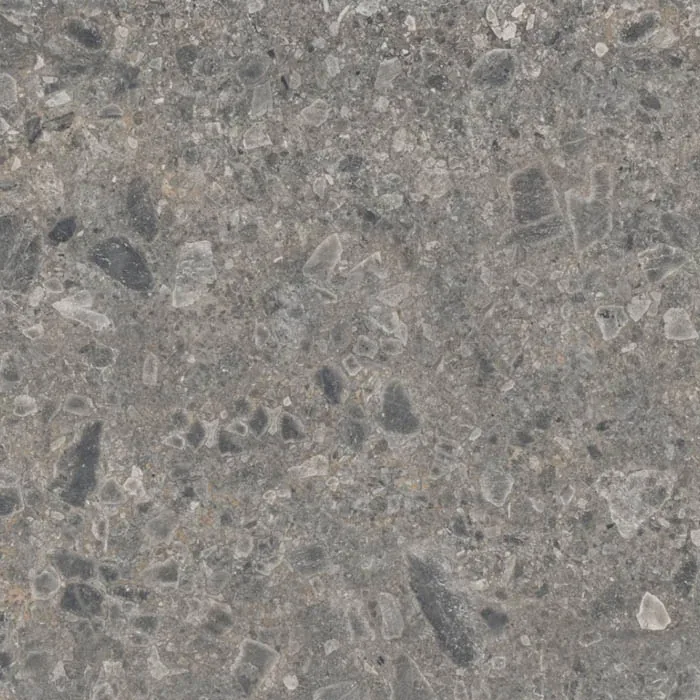
67 sintered stone surfaces
Every figure above is supply only: the slab, before fabrication, edge profiles, cut-outs, delivery and installation. Those are itemised separately on your written quote so you can see what each choice costs.


Supplied, fabricated & fitted by Worktop WorX
67 coloursSupplied & fitted by Worktop WorX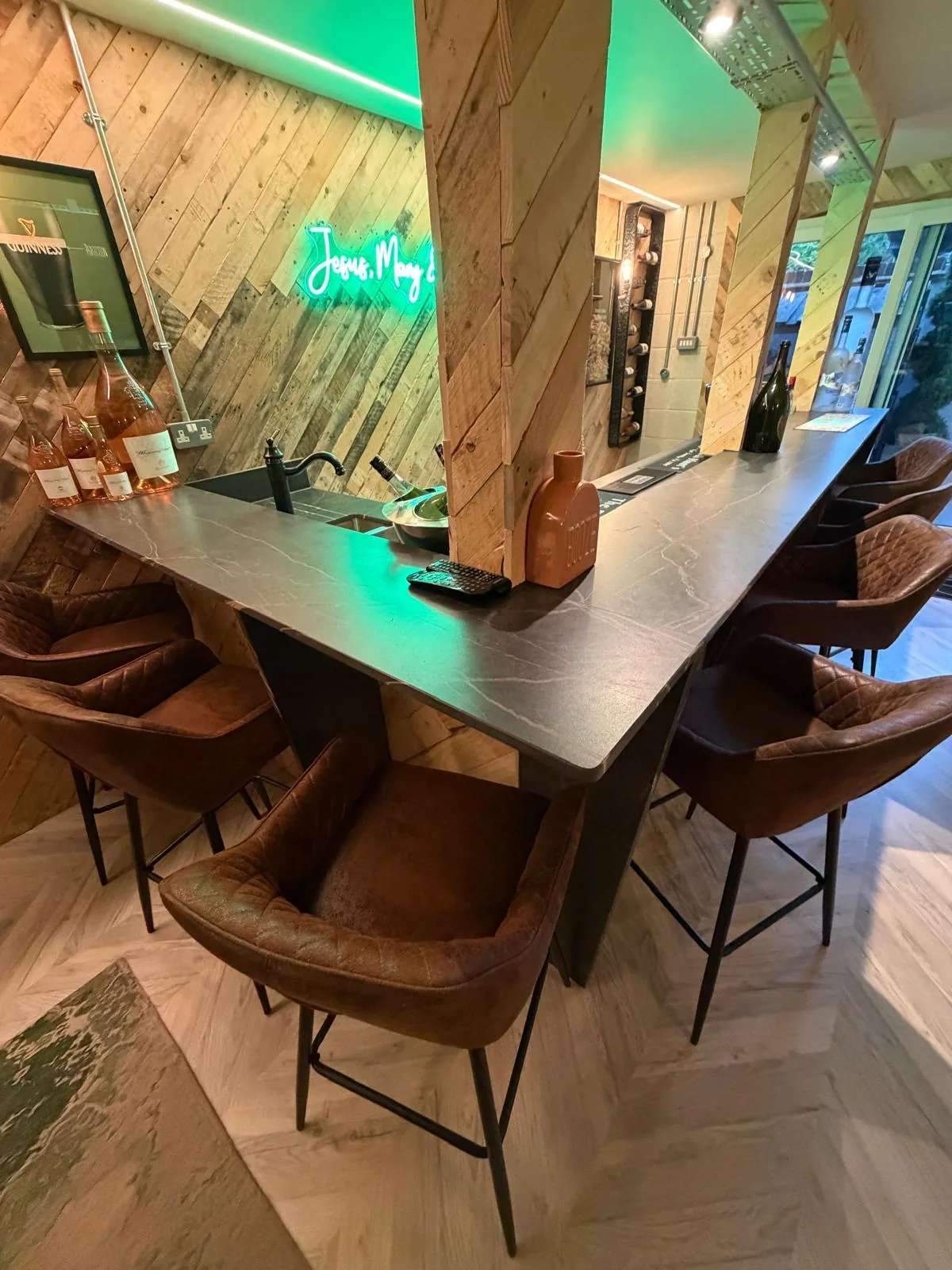
Effectively zero porosity. Never needs sealing. On heat, nothing in it can scorch, so a hot pan does no harm.
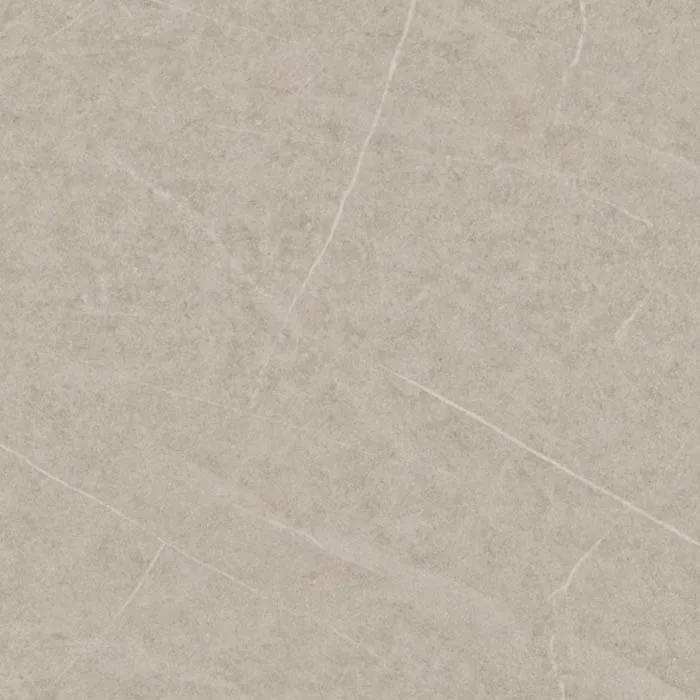
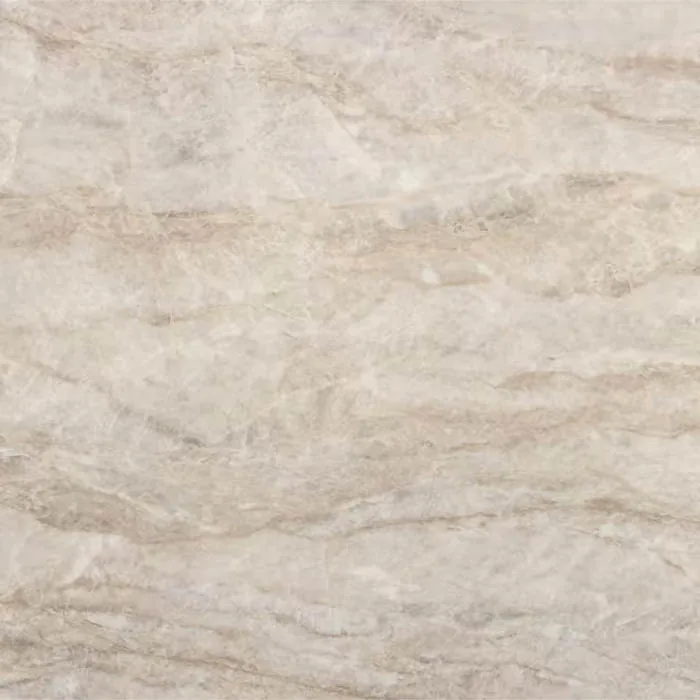
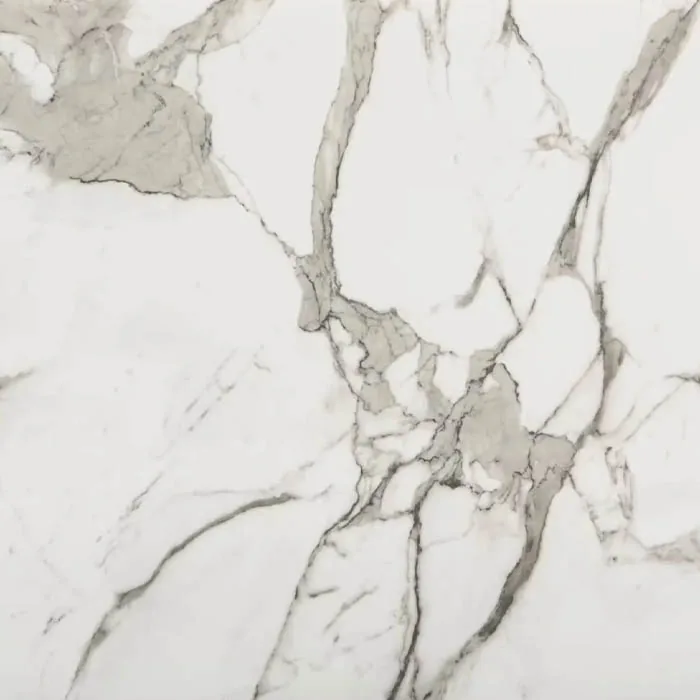
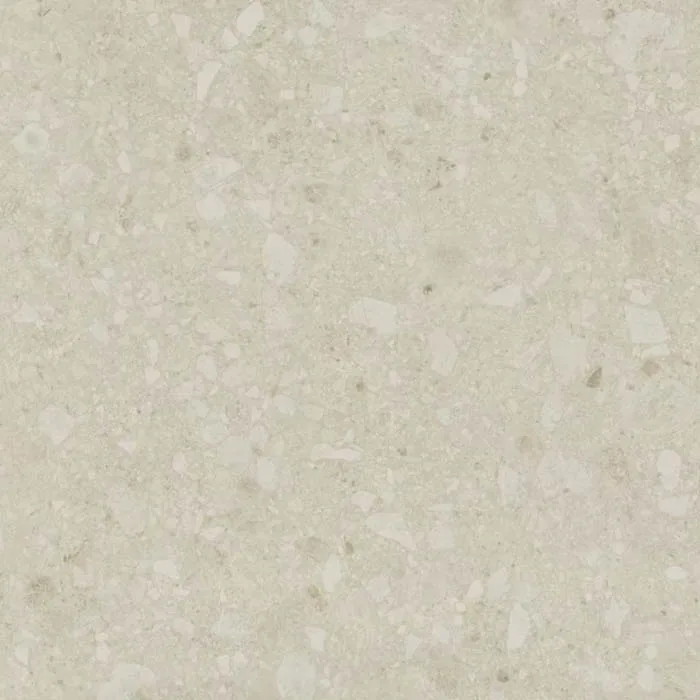
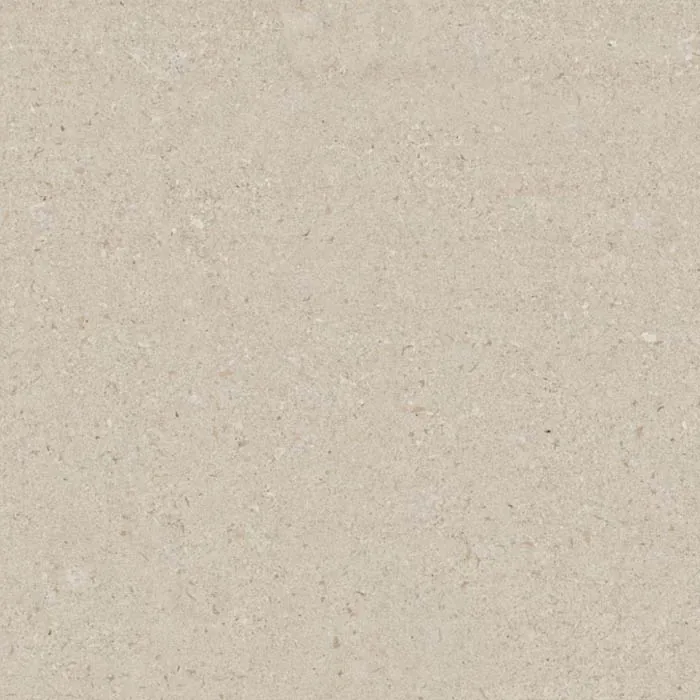
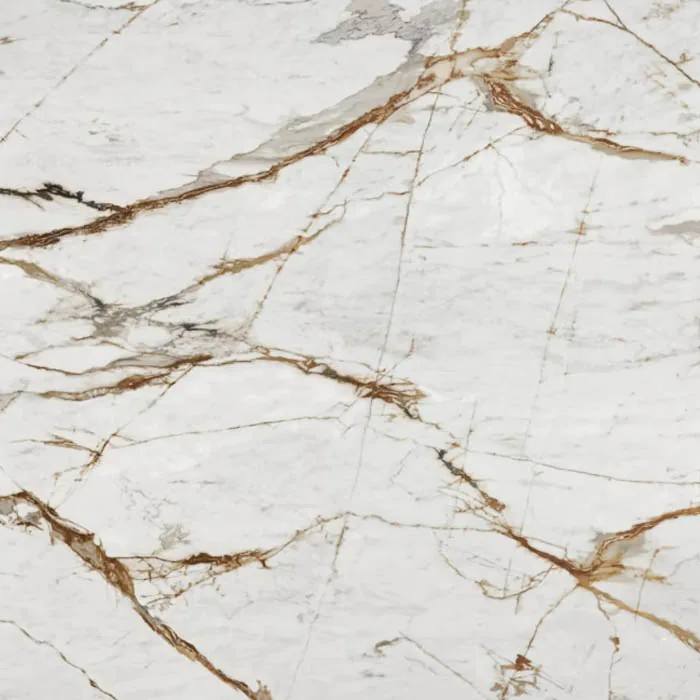
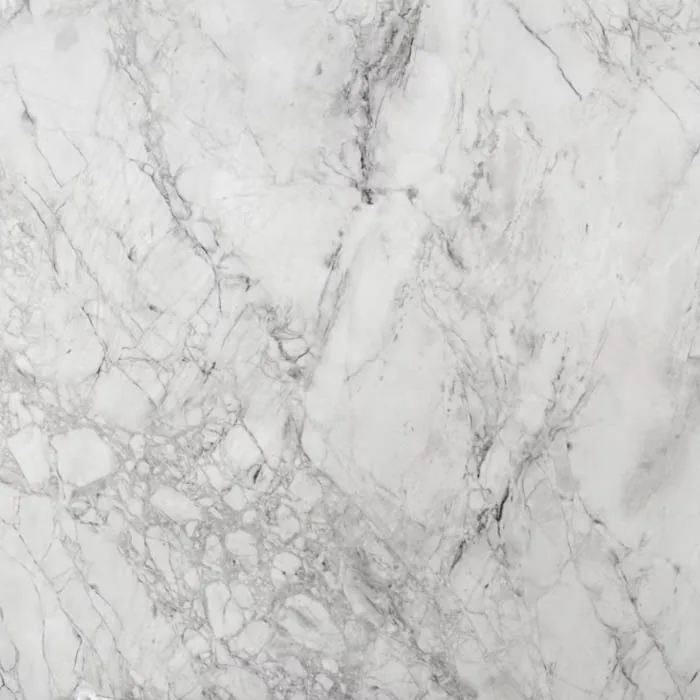
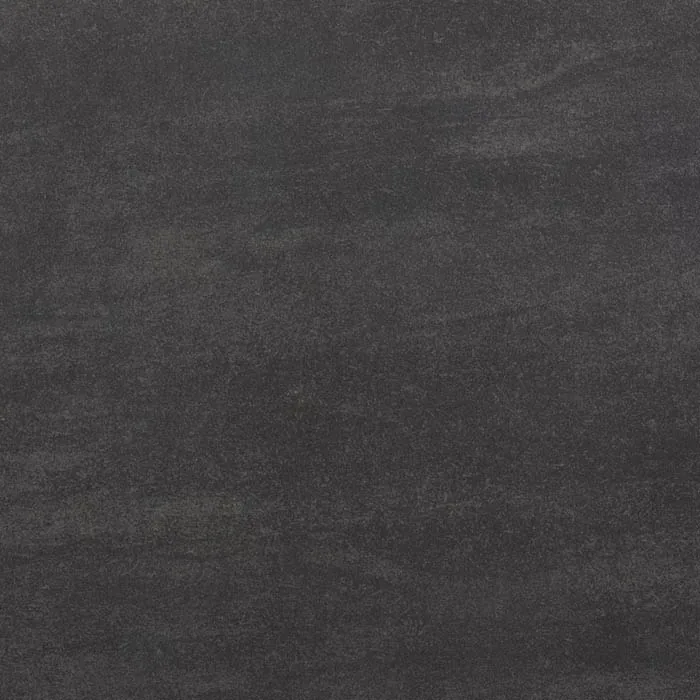
A dozen of them below. Photographs are indicative, and screens and slabs disagree. We cannot post sintered stone offcuts, so treat every image here as a starting point rather than a match.
Jump to a tone
24 of our sintered stone surfaces are not yet colour-tagged, so they will not appear under a tone filter. We would rather leave them untagged than guess the tone from a catalogue photograph. Browse the full 67 to see them.

What it is
Sintered stone starts as a blend of mineral powders, the same raw materials found in glass, porcelain and natural stone. The blend is compacted under very high pressure, then fired at high temperature so the particles fuse into a single dense body. No resin is involved anywhere in the process.
Because there is no resin, there is nothing in it that a hot pan can scorch. And because it is fired as one dense body, porosity is effectively nil. The large slab format also means fewer joins on a long run, and patterns that can be book-matched across an island.
In our catalogue
Every figure above is supply only: the slab, before fabrication, edge profiles, cut-outs, delivery and installation. Those are itemised separately on your written quote so you can see what each choice costs.
How it behaves
The four things that decide whether you are happy with a worktop in five years' time.
The hardest surface we fit, and the most forgiving in daily use. It resists scratching better than quartz or granite, and it is genuinely difficult to mark with normal kitchen tools.
Hardness has a cost. A very hard material is a brittle one, so impact resistance at thin, unsupported edges is its weak point rather than surface wear. Fabrication technique matters more here than with any other material: corners eased, overhangs supported, cut-outs radiused and never squared off.
Excellent. There is no organic binder to scorch, so hot cookware straight off the hob is not a problem. It is also why sintered slabs get used for fire surrounds and outdoor kitchens.
Effectively zero porosity, which makes it the most stain-resistant surface of the three. Wine, oil, ink and coffee sit on the surface and wipe away. It also handles cleaning products that would attack a quartz resin, though a stone-safe cleaner is still the sensible habit.
None, ever. There is nothing for a sealer to soak into.
Sintered slabs are produced in a range of thicknesses, including options thin enough for wall cladding and fine mitred edges, which is exactly why designers reach for them when they want a slim worktop profile. Available thicknesses vary by colour and finish, so we confirm them for your chosen slab at quotation.
Whatever the slab thickness, a mitred edge folds the surface down at 45 degrees so a thinner slab reads as a deep one with the pattern running unbroken round the corner. See the edge profiles.
Outdoor kitchens, sun-filled rooms, slim mitred edges, and anyone who wants the most durable surface available and will accept a careful approach to edges.
If that does not sound like your kitchen, say so when you send us the plans. We fit all three families and we are not paid more for one than another, so the advice you get back is the advice we would give a friend.
The honest part
Three things a showroom will not lead with. If any of them describes your kitchen, tell us and we will point you elsewhere.
The honest weakness. A dropped pan on an exposed thin edge, or a knock on an unsupported overhang, can chip it. Repairs are harder than on quartz because the body of the slab can be a different colour to the printed surface, so a chip can show through as a contrasting mark.
It is harder on tooling and less tolerant of a rushed cut-out than quartz. That is a reason to care who fabricates it, not a reason to avoid the material. But it is why the cheapest quote for sintered stone is rarely the one to take.
Matt and textured finishes can show fingerprints and residue more readily than a polished surface, particularly in dark colours. Worth checking on a sample under your own lighting before you commit to a dark matt island.
Worth reading
The questions people actually ring us about, answered properly rather than in a specification table.
Sintered stone, ultra-compact surface, large-format porcelain and Dekton are not four materials and not quite one. What sintering is, which of those words is a brand, and where the material genuinely beats quartz and granite.
Read the guideThe three materials compared on the things that genuinely differ in a working kitchen (heat, stains, scratches, joins and cost) rather than on brochure adjectives.
Read the guideWhat the two standard thicknesses actually change, what they do not (strength, mostly), and why the honest deciding factors are weight, the carry into your kitchen and how you want the edge to read.
Read the guideMarble etches, and etching is not a stain. What that actually means in a working kitchen, what a marble-effect quartz genuinely replicates, and how to tell a good one from a printed one.
Read the guideUsually yes, and it is the best value change you can make to a tired kitchen. But it depends entirely on the units underneath, and here is how to check yours before you ring anybody.
Read the guideWhat to do in the first week, what to clean with, what will ruin it, when granite needs sealing, and how to deal with a stain or a chip without making it worse.
Read the guideBy borough
The stone does not change, but the kitchens do. These pages take sintered stone through what each borough's housing stock actually is, the carry, the walls, and what moves the price there.
Quartz is the default for a busy family kitchen: it is engineered, non-porous, needs no sealing and looks the same slab to slab, so a big run stays consistent. Granite is quarried natural stone: every slab is different, heat off the hob is a non-issue, and it needs sealing periodically. Sintered surfaces like Dekton are the most durable of the three: highly scratch and heat resistant, and thin enough to take a fine mitred edge. Tell us how the kitchen gets used and we will narrow it to two. Free samples are posted on the quartz range; granite and sintered surfaces we cannot send out, so those are judged from the slab.
Most of what we fit is 20mm or 30mm. Where you want a chunkier look, we mitre the edge (a 20mm slab folded down to give a 40mm or 60mm apron), which reads as solid stone without the weight or cost of a genuinely thick slab. The right answer depends on the material, the span, whether there is an overhang, and what your units will carry. We work it out at quote stage rather than leaving you to guess.
Quartz and sintered surfaces like Dekton are non-porous and never need sealing. Granite is natural stone and does need sealing periodically. How often depends on the stone and how hard the kitchen is worked. We tell you which camp your surface is in and how to test it, and it takes about twenty minutes to do.
Ring us and send a photo. Chips in quartz and granite can very often be filled and polished so they are hard to find, and a cracked section can sometimes be replaced without touching the rest of the kitchen. Impact damage is not covered by either guarantee, but we would rather repair it properly than have you live with it. You will get a straight answer on whether it is worth doing.
Every one of these is on our Google profile under the reviewer’s own name. Nothing here is written by us, and the link goes straight to the source.
“Karem did an excellent job on my kitchen. He was professional, reliable, and paid great attention to detail. The finish looks amazing and has completely transformed my kitchen. Thank you! Would highly recommend his work!”
“Excellent work and highly recommend. Very professional and did an outstanding job with my worktop. Karem responded very quickly and swiftly, top guy!”
“Perfect service,the best on this job”
“I am really happy with the work! He fitted my kitchen granite worktop really nicely and got the job done on time, just as promised. He was friendly, professional, and made sure everything was done the way I wanted. Would definitely recommend Karam to anyone looking for a great job!”
“We recently had our kitchen worktops supplied and fitted by Worktop WorX using Laurent Gold sintered stone, and we couldn’t be happier with the result. The finish, quality, and attention to detail were outstanding from start to finish. Karem was incredibly helpful throughout the whole process professional, knowledgeable, and always available to answer…”
“We have a new kitchen. Our builder recommended Worktop Worx for our worktop. Now we have an amazing worktop very good price too. Really recommend. They were really good to us. 10/10”
“I used Karem’s services 5 years ago for purchasing and fitting the quartz worktop in my then brand new kitchen. The price was reasonable and the service reliable and spot on, no delays in fitting, misunderstanding or excuses. I recommended him to a friend, who also used his services and they were happy too! If I need to order new kitchen work top again,…”
“Absolutely delighted with our new worktop from Worktop WorX. The Capri White finish looks incredible, clean, modern, and really brightens up the whole kitchen while pairing beautifully with the darker cabinetry. The quality of the worktop is outstanding, with a flawless finish and seamless installation that really shows the attention to detail. It’s not…”
“Kareem did the countertops dur8ng my kitchen remodel, and I was so impressed that I had him back to do the laundry room as well, which tells you everything you need to know. He is an absolute gem. Shows up when he says he will (which, let’s be honest, is rarer than it should be), does beautifully work, and clearly takes real pride in what he does. The…”
“We recently had a Calacatta Gold worktop installed by Worktop Worx and are really pleased with the result. It has completely transformed our kitchen, much brighter, modern, and high-end compared to our old wooden surface. The team were professional, efficient, and the finish is excellent with great attention to detail. The worktop looks amazing and is…”
“We recently had the Arctic Starburst worktop installed by Worktop WorX and it looks amazing. The subtle sparkle really catches the light and gives the kitchen a clean, modern feel. The Arctic Starburst surface feels high quality, durable, and is easy to keep clean. The finish and installation from Worktop WorX were spot on. Really happy with the result…”
“Excellent service from start to finish. The team at Worktop Worx were professional, friendly, and really paid attention to detail. They listened to what I wanted, gave helpful advice, and delivered a high-quality finish. The worktop looks amazing and has completely transformed the space. Everything was completed on time and left clean and tidy. Highly…”
“We installed new kitchen and got the worktop and splash back from them. Their professional work and commitment was wonderful. Quality of work compared to price was way too good. Thank you guys.”
“Karem did a fantastic job at installing my antique bronze mirror for my coffee/drinks unit. He was really professional and his communication throughout was clear.”
“Professional, polite and friendly service. Very pleased with finished product.”
“Great experience from this company, I am happy with the materials, fitting and the team.”
“I am really happy with my worktop. It is beautiful and the service provided was second to none. I totally recommend.”
“Nice work from worktop worx. Highly recommended”
“I recently had my kitchen worktop and splashback done by Karem from Worktop WorX and i am very pleased with the result. From the initial consultation and measurements to the final installation, the whole process was smooth and professional. The attention for details and the quality made the difference and everything was finished to a high standard. I…”
“Lovely team, business and quality motivated, prompt delivery with installation. Affordable prices. Wide range of worktops available. High recommendation”
“Excellent service and top quality workmanship. The worktop looks absolutely amazing and the attention to detail is impressive. The team was professional, punctual, and very easy to work with. Highly recommended for anyone looking for a premium kitchen worktop! 👌”
“Really impressed with the quality and finish of these worktops. Great range of materials, precise fabrication, and smooth communication throughout. The whole process was easy and the final result looks fantastic. Highly recommend!”
“Karim is excellent, he did superb job with Templeting and fitting my kitchen, highly recommend”
“We had a fantastic experience with Worktop WorX from start to finish. The team was professional, friendly, and delivered excellent workmanship. We chose the beautiful Capri White worktop, and it has completely transformed our kitchen with its elegant, high-end look.”
“Great service. Super quick and easy communication. I love my new worktop 🥹🥹”
“Great work, super helpful team. I'd definitely recommend!”
Plans, a sketch or photos with rough measurements is enough for an indicative range. After templating you get a fixed written quote with every cut-out and edge itemised, and installation 5–10 working days from template.
Not sure this is the right material? Tell us how the kitchen gets used and where the light falls. If sintered stone is wrong for it, we will say so before you have spent anything.
+44 7830 847489 · 5.0 from 26 Google reviews